
The Art of Pacing in Games
Pacing, the rhythm with which a game unfolds, balancing tension and relief, action and calm, intensity and rest, is one of the most important yet least noticed aspects of game design.
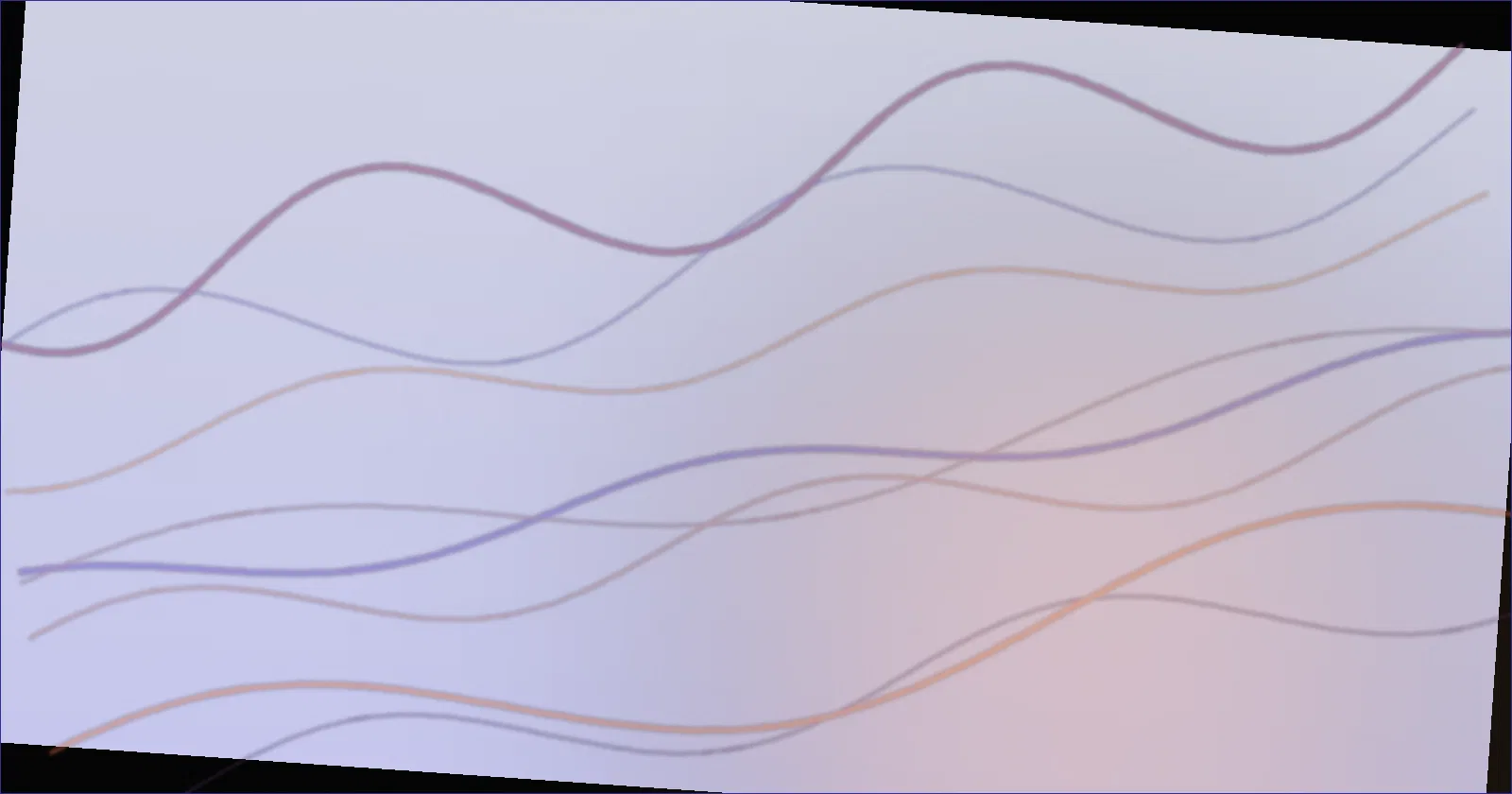
Pacing, the rhythm with which a game unfolds, balancing tension and relief, action and calm, intensity and rest, is one of the most important yet least noticed aspects of game design. Good pacing keeps players engaged throughout, while poor pacing can exhaust or bore them. Looking at the art of pacing reveals how the careful arrangement of a game's rhythm shapes the entire experience, and why mastering the ebb and flow of intensity is so crucial to keeping players gripped from start to finish.
The rhythm of a game
Pacing is the rhythm of a game, the pattern of its highs and lows over time. That rhythm, alternating intensity and calm, shapes how a game feels throughout its length. Getting the rhythm right, so a game flows well from moment to moment, is central to good pacing. The careful arrangement of a game's peaks and valleys, creating a satisfying rhythm of tension and release, is the foundation of the art, and it determines whether a game feels well-paced or exhausting.
Balancing tension and relief
Good pacing balances tension and relief, giving players moments of calm between intense ones. That balance prevents both exhaustion from relentless intensity and boredom from constant calm. Alternating tense and relaxed moments keeps players engaged and comfortable. The careful interplay of tension and relief, where intense passages are followed by calmer ones, is essential to good pacing, letting players catch their breath before the next peak and keeping the experience from becoming either overwhelming or dull.
Avoiding exhaustion
Good pacing avoids exhausting players, recognising that relentless intensity wears people down. By providing rest between peaks, well-paced games keep players from burning out. That consideration for the player's stamina is central to good pacing. A game that maintains constant high intensity soon tires players, however exciting, and good pacing prevents that by granting moments of calm, ensuring that players remain energised and engaged rather than worn down by unbroken, exhausting intensity throughout.
Avoiding boredom
Equally, good pacing avoids boredom, ensuring a game never drags with too much calm. By keeping intensity varied and peaks coming, well-paced games hold attention. That avoidance of tedium is as important as avoiding exhaustion. A game that lingers too long in calm or repetition risks losing players to boredom, and good pacing guards against this by ensuring that moments of excitement arrive regularly enough to keep players engaged, maintaining interest across the whole experience.
Building to peaks
Good pacing builds to peaks, using quieter moments to set up and heighten the big ones. That build-up makes the peaks hit harder, their impact amplified by what came before. The careful construction of a build toward a climax is a key pacing skill. By using calmer passages to build anticipation and contrast, well-paced games make their peaks land with greater force, and that deliberate build-up, heightening the impact of big moments through what precedes them, is central to the art of pacing.
Giving players room to breathe
Good pacing gives players room to breathe, providing calm moments to rest and absorb. Those quieter passages let players recover and reflect, making the experience sustainable. That space to breathe is essential to good pacing. By granting moments of calm where players can rest, explore or simply take in what has happened, well-paced games remain comfortable and sustainable, and that room to breathe, far from being wasted time, is a vital part of a rhythm that keeps players engaged without exhausting them.
Variety in the experience
Good pacing brings variety, changing the kind of experience to keep things fresh. By varying between action, exploration, calm and challenge, well-paced games avoid monotony. That variety sustains interest and gives a game texture. Mixing different kinds of moments, so the experience keeps changing, is an important part of pacing, and that variety, preventing any one mode from growing stale through overuse, keeps a game feeling fresh and engaging across its entire length.
Pacing the whole journey
Good pacing shapes the whole journey, giving a game a satisfying overall arc from beginning to end. That large-scale rhythm, building across the entire experience, is as important as moment-to-moment pacing. Crafting a satisfying arc over a game's full length is a key pacing skill. Beyond individual moments, good pacing shapes the entire journey, giving a game a rising and falling rhythm across its whole span that builds to a satisfying conclusion, and that overarching structure is central to a well-paced experience.
The invisible art
Like much great design, good pacing is invisible, felt rather than noticed as it shapes the experience. When pacing is right, players simply stay engaged and satisfied without knowing why. That invisibility is the mark of the art's success. Good pacing works quietly beneath awareness, shaping how a game feels through its rhythm while players rarely consciously notice it, and that hidden influence, keeping players gripped through a well-managed ebb and flow they never see, makes pacing one of design's most important invisible arts.
Why pacing matters
The art of pacing lies in balancing tension and relief, building to peaks and giving players room to breathe, all to keep them engaged from start to finish. This invisible rhythm shapes the entire experience. For readers who enjoy the hidden craft behind what we play, pacing is one of design's most crucial arts. See our questions or how we write for more.
More in Games
 Games
Games
What Game HUDs Teach About Showing Only What Matters
A heads-up display is one of the hardest interfaces anyone ever designs, because it has to stay visible over a constantly...
 Games
Games
Explore the Role of Typography Inside Online Game Menus
Typography in games rarely gets credit, mostly because when it works nobody notices it at all.
 Games
Games
Discover How Online Slot Games Build Visual Rhythm and Flow
Open ten different slot game screens side by side and a pattern shows up fast: almost every one of them repeats the same...